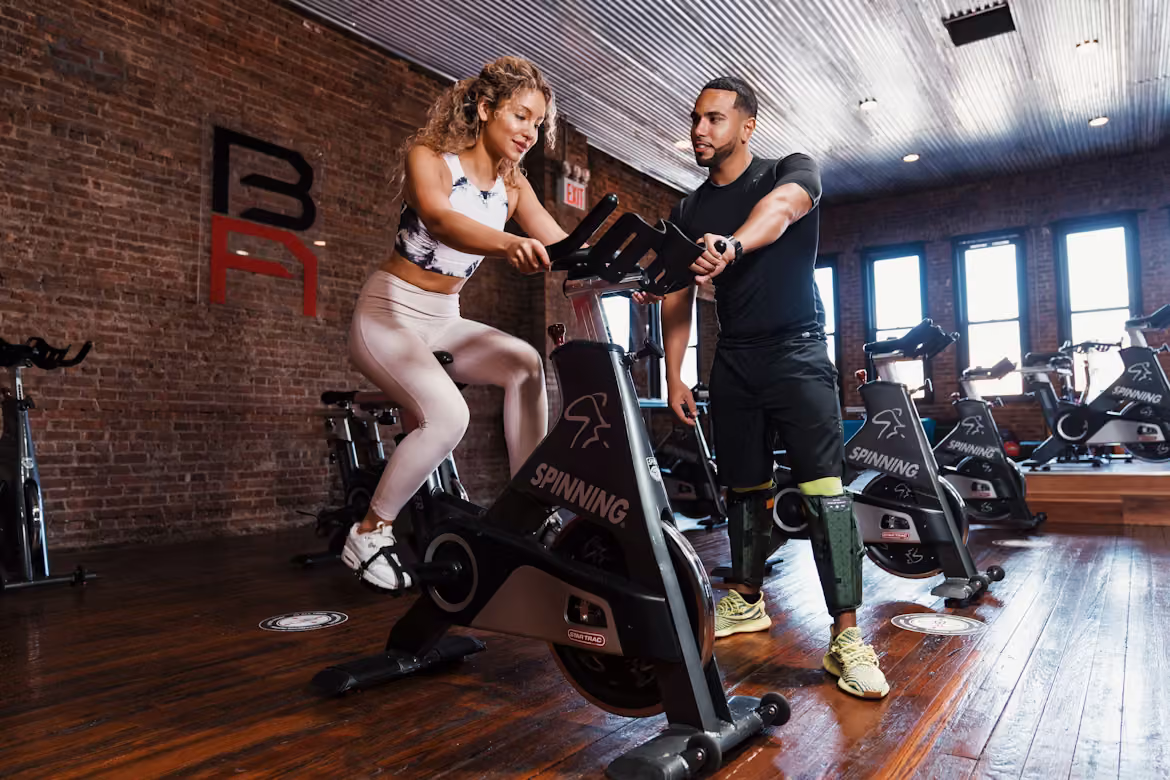
Progressive overload is more nuanced than simply adding weight. Progress can come from better technique, more useful volume, improved control or stronger execution. The modern fitness conversation is increasingly about systems rather than isolated exercises. A useful program connects training stress, movement quality, recovery, nutrition and consistency so that each session contributes to a larger goal.
The training principle
The first principle is context. Why Progressive Overload Still Matters makes sense only when progression is connected to load. A workout exists inside a week, and a week exists inside a life. When the surrounding workload changes, the best choice can change too. That is why experienced training is less about collecting more exercises and more about understanding what a particular session is supposed to accomplish.
One reason old habits survive is that simple rules are easy to repeat. Add weight. Train harder. Do more sets. Never miss a day. Each rule contains a useful idea, but none of them explains the whole training process. In practice, technique affects volume, while execution can determine whether the stimulus is recoverable. Good programming keeps those relationships visible.
Why the simple approach often fails
Progress is easier to manage when it is measured against the goal rather than against fatigue. A harder session is not automatically a better session. The useful question is whether the body received a clear enough signal to adapt and whether the person can repeat that work. In why progressive overload still matters, this changes how we think about progression, load and the role of recovery.
The gym also creates a psychological environment. People see other lifters, compare loads and sometimes turn every session into a performance. That can make progression look more important than it really is. A better approach is to create a training standard that belongs to the individual: controlled execution, appropriate effort, consistent attendance and a clear reason for each exercise.
Building the right stimulus

Technique is the bridge between an exercise and its intended stimulus. A movement performed with control gives the athlete more information about position, range, balance and effort. This does not mean every repetition must look identical. It means the athlete should understand what is being trained and recognize when fatigue has changed the movement enough to reduce the quality of the work.
Recovery is where the training plan meets reality. Sleep, food, stress, work and daily movement all influence how much training a person can productively absorb. If progression increases while load remains unchanged, the program may slowly become harder to sustain. The answer is not always less ambition; often it is better distribution of workload and clearer priorities.
Technique and execution
Nutrition is another supporting layer rather than a replacement for training. Food supplies energy and building materials, while regular meals can make training easier to repeat. The exact approach depends on the person and goal, but the broad principle is stable: nutrition should support the work rather than distract from it. In this context, technique and volume are more useful when treated as parts of the same system.
Measurement can also become excessive. Tracking every detail can create the appearance of precision without improving decisions. A small set of useful signals—performance, perceived effort, recovery, consistency and perhaps a few goal-specific metrics—often tells a clearer story. The point of measurement is to help adjust progression, not to turn the training log into another source of pressure.
Managing training stress
Good programming leaves room for ordinary life. Travel, work deadlines, family responsibilities and changing energy are not failures of discipline. They are conditions that a sustainable program has to accommodate. A plan that only works during a perfect week is not robust. The more useful standard is whether the program can be adjusted without losing its central training purpose.
The biggest trade-off is usually between ambition and repeatability. Very aggressive plans can produce dramatic sessions but become difficult to sustain. Very cautious plans may be easy to repeat but fail to provide enough stimulus. The art of why progressive overload still matters is finding a useful middle: enough challenge to create adaptation, enough control to keep quality high and enough recovery to return ready for the next session.
Recovery is part of the program
That principle applies differently to beginners and experienced athletes. Beginners often benefit from fewer exercises and clearer movement patterns. Experienced trainees may need more specific variation because their bodies have adapted to familiar workloads. Neither group needs complexity for its own sake. The program should become more sophisticated only when the additional complexity solves a real training problem.
In the end, why progressive overload still matters is less about a perfect routine and more about a repeatable process. The best fitness systems make the next useful session obvious. They define the goal, choose the stimulus, manage the workload, support recovery and review the result. When those pieces stay connected, progress has a much better chance of becoming durable rather than temporary.
Nutrition and training support
The first principle is context. Why Progressive Overload Still Matters makes sense only when progression is connected to load. A workout exists inside a week, and a week exists inside a life. When the surrounding workload changes, the best choice can change too. That is why experienced training is less about collecting more exercises and more about understanding what a particular session is supposed to accomplish.
One reason old habits survive is that simple rules are easy to repeat. Add weight. Train harder. Do more sets. Never miss a day. Each rule contains a useful idea, but none of them explains the whole training process. In practice, technique affects volume, while execution can determine whether the stimulus is recoverable. Good programming keeps those relationships visible.
Measuring useful progress
Progress is easier to manage when it is measured against the goal rather than against fatigue. A harder session is not automatically a better session. The useful question is whether the body received a clear enough signal to adapt and whether the person can repeat that work. In why progressive overload still matters, this changes how we think about progression, load and the role of recovery.

The gym also creates a psychological environment. People see other lifters, compare loads and sometimes turn every session into a performance. That can make progression look more important than it really is. A better approach is to create a training standard that belongs to the individual: controlled execution, appropriate effort, consistent attendance and a clear reason for each exercise.
Making the plan sustainable
Technique is the bridge between an exercise and its intended stimulus. A movement performed with control gives the athlete more information about position, range, balance and effort. This does not mean every repetition must look identical. It means the athlete should understand what is being trained and recognize when fatigue has changed the movement enough to reduce the quality of the work.
Recovery is where the training plan meets reality. Sleep, food, stress, work and daily movement all influence how much training a person can productively absorb. If progression increases while load remains unchanged, the program may slowly become harder to sustain. The answer is not always less ambition; often it is better distribution of workload and clearer priorities.
The role of experience
Nutrition is another supporting layer rather than a replacement for training. Food supplies energy and building materials, while regular meals can make training easier to repeat. The exact approach depends on the person and goal, but the broad principle is stable: nutrition should support the work rather than distract from it. In this context, technique and volume are more useful when treated as parts of the same system.
Measurement can also become excessive. Tracking every detail can create the appearance of precision without improving decisions. A small set of useful signals—performance, perceived effort, recovery, consistency and perhaps a few goal-specific metrics—often tells a clearer story. The point of measurement is to help adjust progression, not to turn the training log into another source of pressure.
Where the trade-offs appear
Good programming leaves room for ordinary life. Travel, work deadlines, family responsibilities and changing energy are not failures of discipline. They are conditions that a sustainable program has to accommodate. A plan that only works during a perfect week is not robust. The more useful standard is whether the program can be adjusted without losing its central training purpose.
The biggest trade-off is usually between ambition and repeatability. Very aggressive plans can produce dramatic sessions but become difficult to sustain. Very cautious plans may be easy to repeat but fail to provide enough stimulus. The art of why progressive overload still matters is finding a useful middle: enough challenge to create adaptation, enough control to keep quality high and enough recovery to return ready for the next session.
The practical takeaway
That principle applies differently to beginners and experienced athletes. Beginners often benefit from fewer exercises and clearer movement patterns. Experienced trainees may need more specific variation because their bodies have adapted to familiar workloads. Neither group needs complexity for its own sake. The program should become more sophisticated only when the additional complexity solves a real training problem.
In the end, why progressive overload still matters is less about a perfect routine and more about a repeatable process. The best fitness systems make the next useful session obvious. They define the goal, choose the stimulus, manage the workload, support recovery and review the result. When those pieces stay connected, progress has a much better chance of becoming durable rather than temporary.
A practical checklist
- Define the training goal before choosing exercises.
- Keep progression and load connected to the main objective.
- Increase challenge gradually instead of chasing fatigue.
- Protect sleep, nutrition and recovery as part of the program.
- Review performance and adjust the plan when real life changes.
The most useful lesson from why progressive overload still matters is that progress comes from a system that can be repeated. Training creates the stimulus, recovery allows adaptation, and consistency gives the process enough time to work. The goal is not to make every workout extraordinary. It is to make the overall process productive, measurable and sustainable.